
Frontline Hiring: Why 36 Days Is Too Slow – Proven Fixes
Frontline hiring speed is not just an HR metric — in frontline industries it directly impacts revenue, operations, and customer.

Frontline hiring speed is not just an HR metric — in frontline industries it directly impacts revenue, operations, and customer.
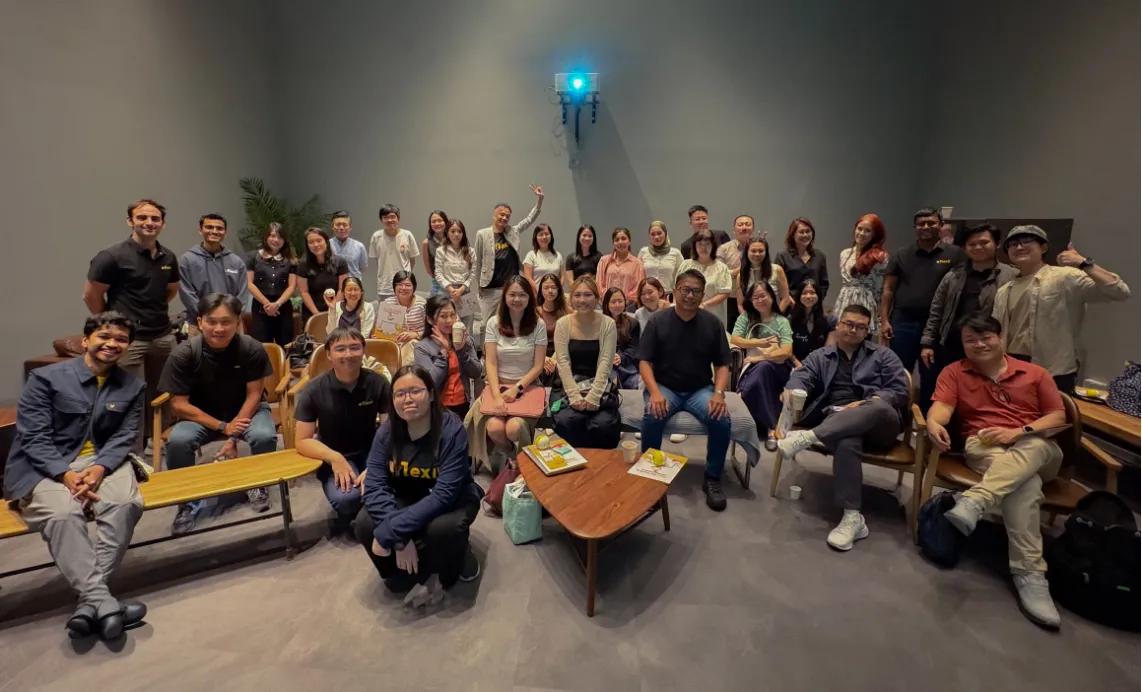
At our recent joint masterclass hosted alongside the Singapore Retailers Association (SRA) at Huggs Coffee Headquarters, we looked past high-level theories to focus squarely on ground truth: what actual store floor data from Singapore’s retail ecosystem tells us about solving workforce friction.
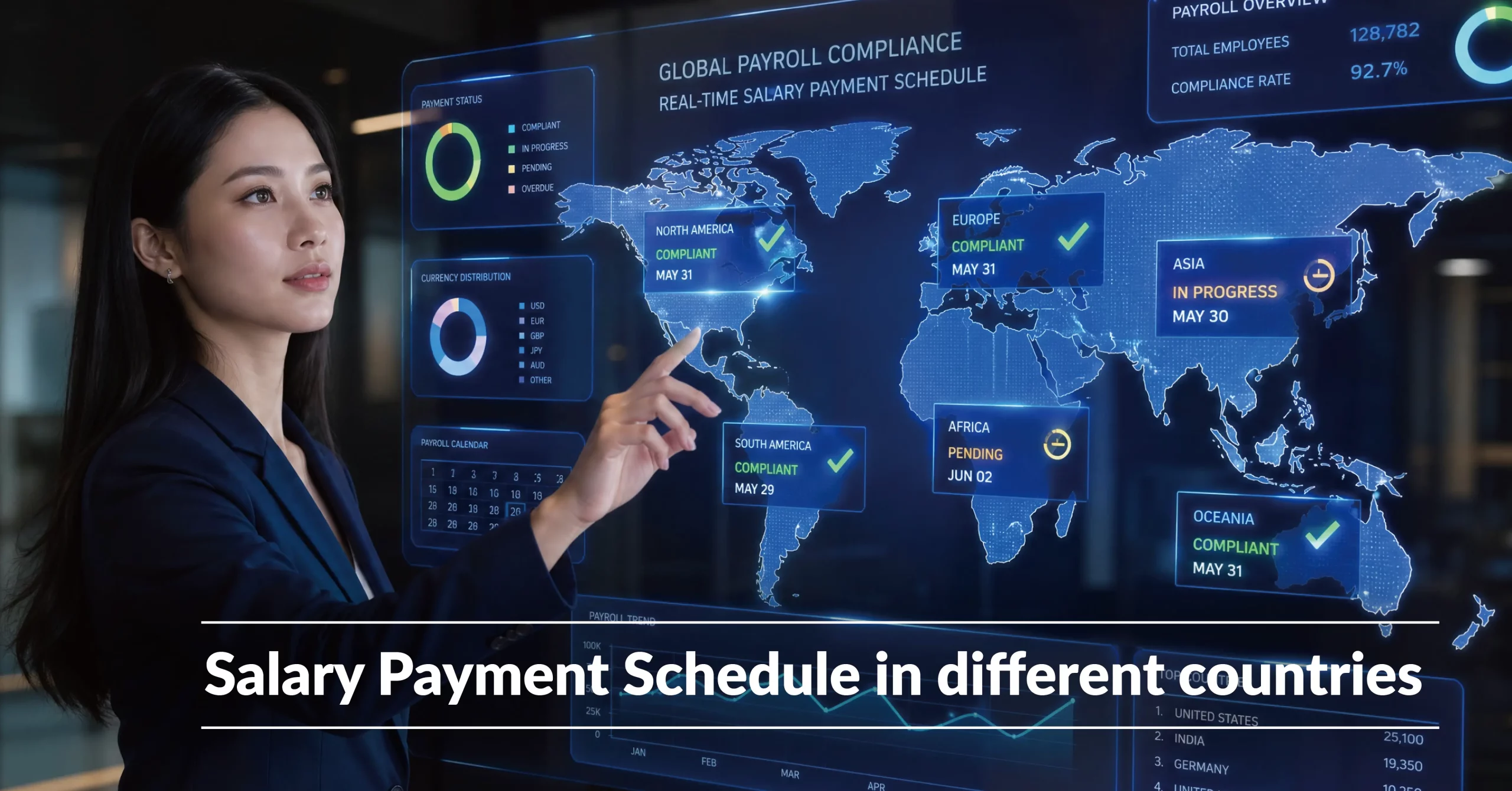
For businesses hiring across borders, this isn’t trivia — it’s compliance. Pay someone monthly in a country that legally requires more frequent payment, or miss a mandatory year-end bonus, and you’re not looking at an unhappy employee. You’re looking at fines, back-pay claims, and labour disputes.
Here’s how salary payment schedules actually work around the world — and why the differences matter more than most employers realise.

Singapore just made a bet that should make every HR leader pay attention.
The country’s National Trades Union Congress (NTUC) and Institute of Banking and Finance (IBF) have announced a plan to upskill 100,000 finance professionals in AI over the next three years — a national-scale effort to make sure its workforce is ready for an AI-driven economy. And it’s not their only move: Singapore is also training tens of thousands of tech professionals to be AI-capable under a broader nationwide push.